
50 Unique & Low-Cost Real Estate Marketing Ideas (Examples Included)

This curated list gathers the 50 most effective, modern, and “outside-the-box” real estate marketing ideas, ensuring your strategy covers all essential areas: online presence, social media, listing promotion, and community engagement.

Building Your Digital Foundation & Capturing Leads
A strong online presence is the bedrock of modern real estate success. Focus on optimizing your website for user experience and lead capture.
1. Create a Responsive Website with Multiple Search Features
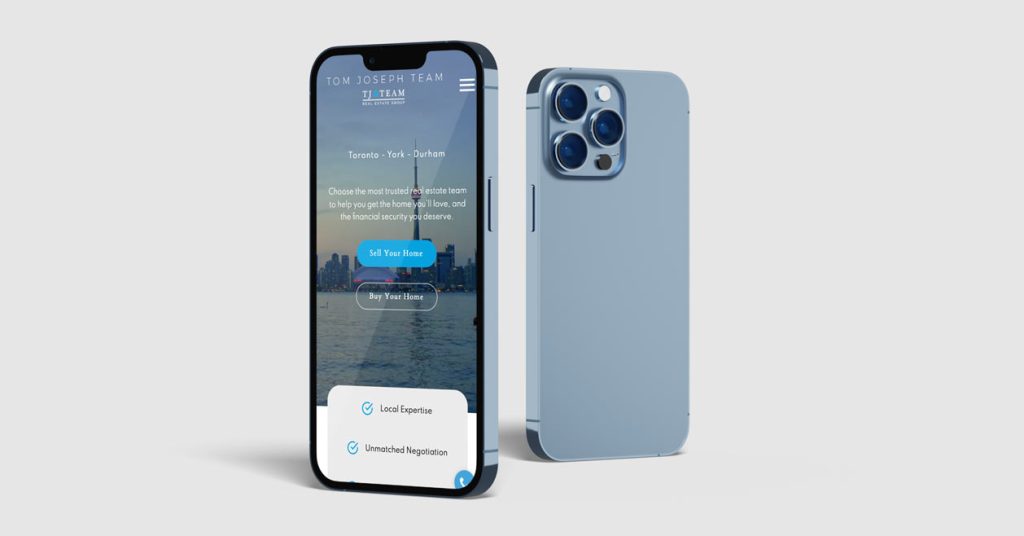
Create a real estate website that’s fast, mobile-friendly, and offer various ways for visitors to search (e.g., by school district, specific feature, or neighborhood).
Your visitors shouldn’t have to work hard to find a home. A responsive website with smart search options makes it simple for them to find properties and contact you when they’re ready. myRealPage makes this instant. Launch a fully branded, IDX-ready site in minutes—no coding or expensive developers required. Since every site is optimized for SEO and lead capture right out of the box, you can finally focus on your clients, not technical setup.
2. Offer Home Valuations to Capture Seller Leads
Integrate a tool that prompts visitors to enter their address for a home value report, capturing valuable seller contact information.
To view their home valuation report, your visitor must first provide their address before being prompted for more information, including their email address. You have a new seller lead to contact after they provide you with this information.
3. Answer Buyer/Seller Questions on Your Blog
Consistently publish articles that address common questions (e.g., “How much are closing costs?”), making you a trusted educational resource.
People Also Ask is a free feature inside a Google search. Answering these type of questions on your website may have you show up on these snippets or even get mentioned using their new AI answering snippets.
4. Publish a Local Market Quiz on Your Website
Use an interactive quiz (e.g., “Are you ready to buy in [City]?”) to engage visitors and generate leads through a fun format.
Don’t forget to direct followers to your real estate agent website for more information.
5. Set Up Squeeze Pages or Lead Capture Forms
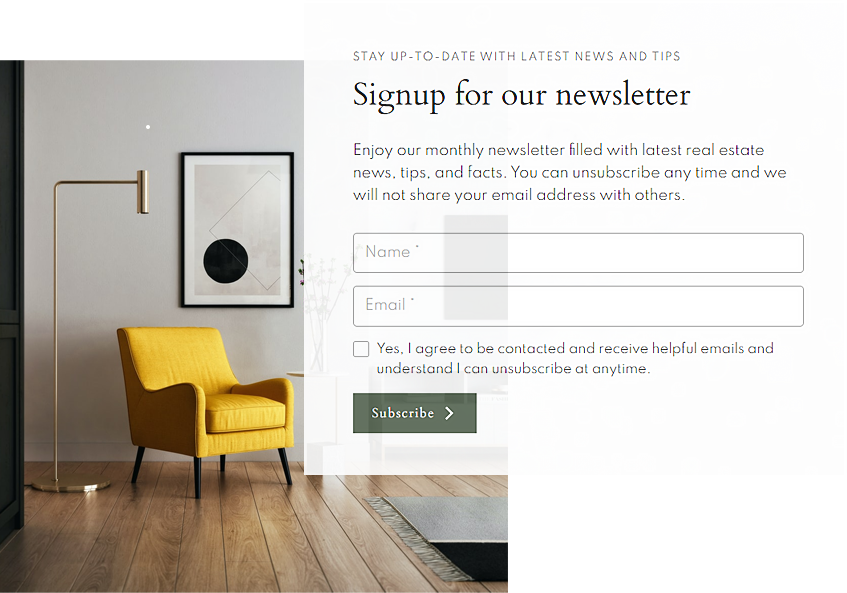
Use dedicated, high-converting landing pages for specific offers, like a “First-Time Buyer Guide” download. Follow our Landing Page Guide to learn how to create the best performing landing page for real estate.
6. Use Strong CTAs to Increase User Engagement
Ensure every page has a clear Call-to-Action, like “Schedule a Consultation” or “View All Listings.” If you want to see an example of how to use proper call to actions, check out our new listing page design blog post.
7. Use Analytics to Drive Your Marketing
Regularly review website and ad data to see which content and channels are bringing in the best leads, then double down on them.
8. Set Up Your Google Business Profile
Optimize your Google My Business listing completely so you rank high in local “near me” searches for real estate. Want to learn how to do it? Use our complete guide on how to set up your Google Business Profile here.
9. Build Local Landing Pages
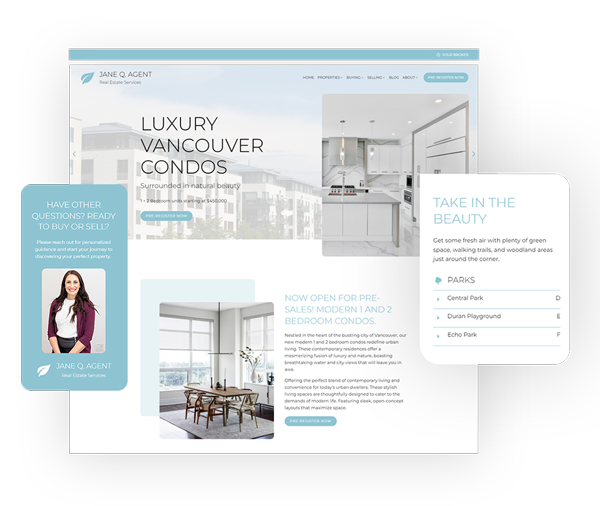
Create separate, SEO-optimized pages for every neighborhood you serve to dominate local search results.
Creating neighbourhood pages for your real estate website is a great way to differentiate yourself as a real estate agent. With our new neighbourhood starter pages, becoming the “expert” of a given area is now easier than ever. Learn more about neighbourhood pages here.
10. Collect Reviews on Major Third-Party Sites
Actively request client reviews on platforms like Google, Zillow, and Realtor.com to build trust and social proof. We’ve also prepared a guide on how to ask for testimonials and reviews in this blog post.
11. Develop a Strong Real Estate Agent Bio
Craft a compelling, personal “About Me” page that details your value, experience, and personality.
Writing about yourself is never easy, especially when your goal is to convince people to hire you. How do you describe yourself authentically and convincingly, striking a balance between selling yourself and not sounding full of yourself? We’ve created this about me template like an outline, providing you with a structure for your page and content suggestions for each section.
12. Get a Professional Headshot
Invest in a high-quality, friendly, and professional photo; you are your brand. Switching out the photos of yourself for more recent shots is an easy way to keep your real estate website feeling fresh — and to make sure that your website best represents what you look like right now and not a couple years ago. Learn how to add it to your signature to generate leads.
13. Establish Your Unique Value
Define what makes you different—e.g., a focus on historic homes, investment properties, or a 7-day listing guarantee. So, what does a strong real estate elevator pitch look like? That’s what we’re delving into in this blog post.
14. Create an Email Signature with Essential Details
Include your contact info, a headshot, and a link to your latest listing or blog post in your email signature.
15. Place Email Sign-Up Forms on Your Site
Make it easy for visitors to subscribe to your newsletter on every page.
Dynamic Listing Promotion & Video Strategy
Listings are your product; show them off with maximum impact using visual and interactive content.
16. Make Your Listings Look Their Best
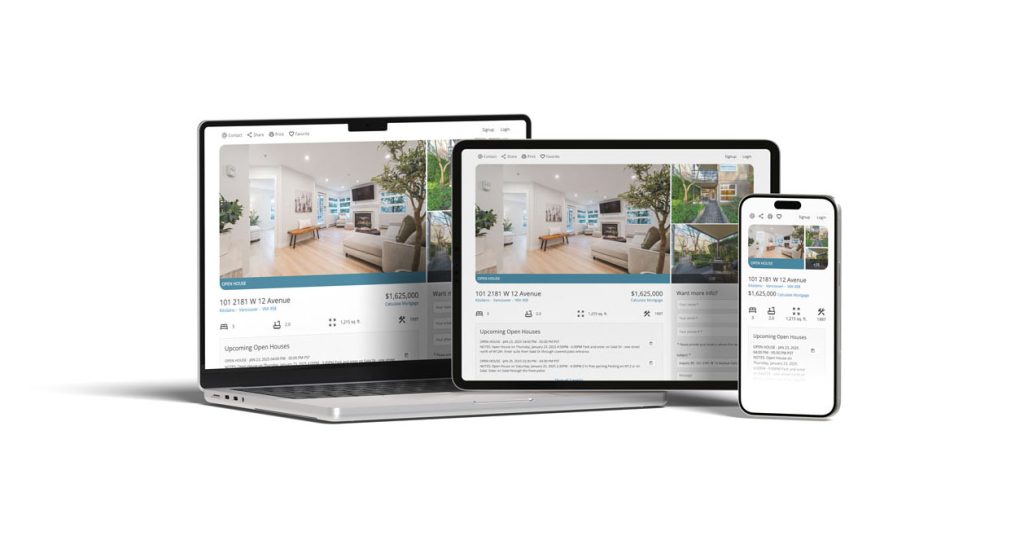
Invest in interactive floor plans, 3D tours, and virtual walkthroughs to enable clients to virtually experience a home. To learn more, follow this link for crafting a winning real estate listing marketing plan.
17. Construct Great Real Estate Listing Copy
Go beyond the basics with compelling, descriptive writing and evocative adjectives that entice the reader. To learn more, follow this link for how to create the best real estate feature sheets.
18. Optimize Listing Pages
Use local keywords, proper address formatting, and quality photography to help your listings rank better in search. To learn more, follow this link for optimizing digital strategies in your marketing plan.
19. Dedicate Blog Posts or Landing Pages to Showcase Listings
Create a separate, in-depth article or landing page for your top properties that includes extra photos, neighborhood details, and a full pitch. To learn more, follow this link for key content pages for a lead-generating real estate website.
20. Advertise Listings in a Dedicated Newsletter
Leverage the high ROI of email marketing to promote your newest and top listings directly to your leads and clients. To learn more, follow this link for email marketing in your real estate listing plan.
21. Targeted Video Advertising of Single Properties
Run short, engaging video ads for a specific listing on social media, targeting people in a geographically relevant area. To learn more, follow this link for video content and paid advertising in real estate.
22. Create Video Presentations for Your Listings
Use professional video to walk viewers through the home, acting as a virtual open house. To learn more, follow this link for using video to promote your open house.
23. Film an Explainer Video About Your Agency
Create a detailed, high-production video that explains your unique value proposition and differentiates you from the competition. To learn more, follow this link for using video content for audience engagement.
24. Add Some Flavor to Your Real Estate Video Marketing
Don’t be afraid to be creative or playful with your brand videos to humanize your business and attract attention. To learn more, follow this link for creating teaser videos for engagement.
25. Use Instagram Stories and Reels
Dominate short-form video. Use Reels for quick property tours and Stories for interactive polls and Q&As. To learn more, follow this link for using Instagram Reels and Stories for real estate promotion.
26. Post Listing Information on Every Social Media Outlet
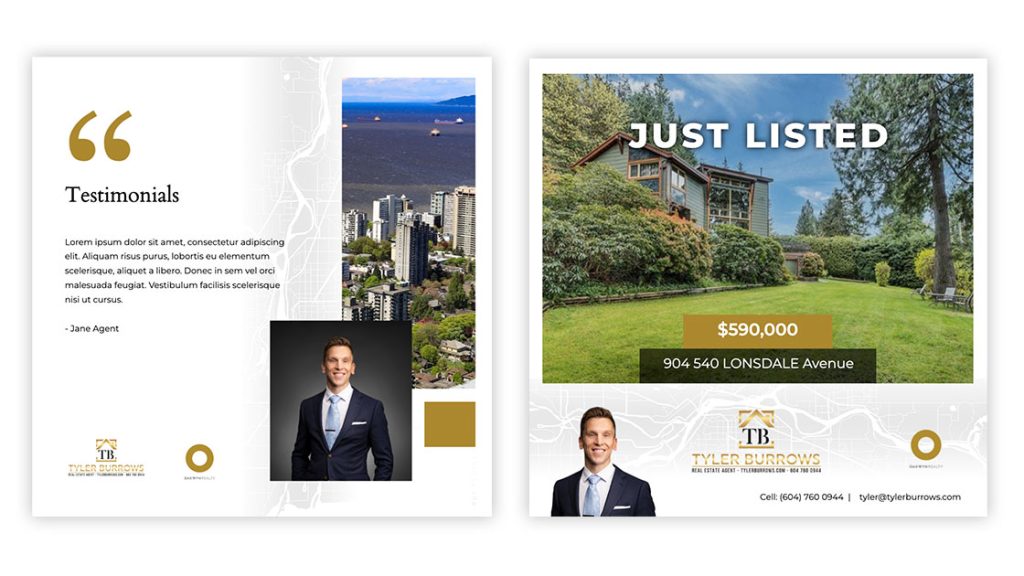
Customize your listing post for the platform (e.g., high-res photo on Instagram, link and market insight on LinkedIn). To learn more, follow this link for finding the right social media platform for your real estate business.
27. Generate Slideshows
Use image slideshows or carousels on platforms like Facebook and Instagram to showcase multiple views of a listing without relying solely on video. To learn more, follow this link for social media promotion of your open house.
28. Develop Listing Boards on Pinterest
Curate visually appealing boards for different categories, like “Luxury Homes,” “First-Time Buyer,” or “Best Kitchens in [City].” To learn more, follow this link for finding great content for your social media calendar.
Social Media & Creative Content
Engage your audience with content that goes beyond just properties and establishes you as a local expert.
29. Show Off Virtually Staged Images on Social Media
Use digital staging to show a vacant home’s potential, often garnering better engagement than empty rooms. To learn more, follow this link for upgrading your Instagram real estate marketing strategy.
30. Incorporate Your Pet into Listing Photos
Use a cute pet (yours or borrowed) in an occasional photo; this humanizes the home and often receives high engagement. To learn more, follow this link for including personal content in your social media calendar.
31. Set Up Social Pages on All Relevant Platforms
Secure your brand name/username across all major platforms, even if you don’t use them all immediately. To learn more, follow this link for choosing the best social media platform.
32. Create Custom Social Media Bios for Each Platform
Tailor your bio to fit the platform’s style (e.g., professional on LinkedIn, engaging on Instagram). To learn more, follow this link for optimizing your Instagram profile and bio.
33. Post Regularly on Each Social Media Platform
Consistency is key. Use a scheduler to maintain a steady flow of content. To learn more, follow this link for planning your real estate social media content calendar.
34. Add Social Media Retargeting Tags to Your Website
Install a “pixel” (like the Meta pixel) on your site to display your ads to people who have previously visited your web pages. To learn more, follow this link for using paid social media ads.
35. Run a Contest Through Social Media
Host a giveaway (e.g., a local business gift card) and require users to comment, share, or tag friends to enter. To learn more, follow this link for maximizing social media engagement.
36. Develop or Join Groups to Build Thought Leadership
Participate in local or real estate-focused groups on Facebook and LinkedIn to answer questions and establish expertise. To learn more, follow this link for leveraging Facebook community groups and LinkedIn thought leadership.
37. Develop a Blog/Video Series Highlighting Local Spots
Focus on area restaurants, entertainment, and businesses. Buyers want to know about the community, not just the house. To learn more, follow this link for using local area content in your social media.
38. Create In-Depth Guides, Charts, or Maps
Publish visual content like “A Map of [City]’s Historic Neighborhoods” or “A Flowchart for First-Time Sellers.” To learn more, follow this link for creating effective real estate feature sheets and charts.
39. Capitalize on the Popularity of the Latest Internet Memes
Use relevant, trending memes to make your content timely and funny, connecting with a younger audience. To learn more, follow this link for planning funny and engaging content in your marketing plan.
40. Use Storytelling and Imagery to Increase Email Engagement
Instead of just data, share a story about a recent transaction or a local homeowner’s experience in your email newsletters. To learn more, follow this link for using testimonials in newsletters to generate leads.
Offline, Community, and Relationship Marketing
Even in the digital age, physical presence and personal touches are powerful differentiators.
41. Provide a Complimentary Moving Truck
Purchase a branded moving truck and offer its free use to your clients (and occasionally non-clients for a fee); it serves as a massive mobile billboard. To learn more, follow this link for effective offline marketing tactics.
42. Order Unique Business Cards That Stand Out
Use original shapes, materials, or textures for your cards to ensure they are memorable and don’t end up immediately in the trash. To learn more, follow this link for using creative materials for physical marketing.
43. Create a Referral System
Implement a formal system to encourage and reward past clients and colleagues for sending you business. To learn more, follow this link for designing a lead-generating real estate strategy.
44. Send Handwritten Notes
Use personalized, physical notes to follow up with leads, thank past clients, and reach out to home valuation leads. To learn more, follow this link for using personalized touchpoints in marketing.
45. Establish Partnerships with Local Area Businesses
Team up with local lenders, home inspectors, and furniture stores for cross-promotion and joint events. To learn more, follow this link for partnering with local businesses.
46. Sponsor Local Events
Invest in local sports teams, school activities, or neighborhood festivals to keep your brand visible in the community. To learn more, follow this link for sponsoring community events.
47. Host Free Seminars on Topics for Buyers or Sellers
Offer in-person or virtual workshops (e.g., “Navigating Current Interest Rates”) to position yourself as an expert and collect leads. To learn more, follow this link for teaching classes or seminars.
48. Run Open Houses Strategically
Treat every open house as a lead generation opportunity, not just a property tour. Use digital sign-in tools to capture and track visitor information. To learn more, follow this link for social media strategies for open house promotion.
49. Create a Physical High-Quality Mailer
Send glossy, sophisticated “Just Listed” or “Just Sold” postcards or market reports on high-quality stock, as promotional mail has a high open rate. To learn more, follow this link for creating successful realtor postcard campaigns.
50. Attend Local Events and Join Local Groups
Be a force in your local community by showing up at local government meetings, non-profit events, and neighborhood association gatherings. To learn more, follow this link for community involvement as part of a winning marketing plan.
Last Updated on December 11, 2025 by myRealPage